
Get Migraine Relief and Occipital Neuralgia Treatment

We offer sought-after cutting-edge treatments for migraine and occipital neuralgia headache such as Botox® injections and Nerve Decompression Surgery.

Find out if you're a candidate for our Migraine Relief and Occipital Neuralgia Treatment procedures.

Fill out this form and we’ll be in touch to answer all of your questions and get you more information.

Contact Form

Why Choose US Migraine?

Cutting-edge technology and exceptional patient care

At US Migraine, we pride ourselves on our state-of-the-art technology and unwavering commitment to patient well-being. These pillars, along with others, set us apart from all other centers specializing in chronic headache relief. It's why US Migraine stands out as the top choice for those seeking relief from headaches. Moreover, we lead the way as the global network where renowned head pain experts collaborate to provide direct patient access to the Migraine Procedure, a proven and successful migraine pain solution.

Pioneers on the market

Our partner physicians at US Migraine have been at the forefront of neurostimulator implants for migraines worldwide. This includes groundbreaking advancements like Occipital Nerve Stimulation and the Migraine Procedure. With over 25 years of refined expertise, our specialists at US Migraine are recognized as leaders in neurostimulator implantation on a global scale.

Going Above And Beyond For Our Patients

Furthermore, we offer an exclusive non-invasive test lasting three to seven days to assess the effectiveness of the Migraine Procedure before proceeding with permanent implantation. This unique trial stimulator is a rarity in the medical field, allowing patients to experience a therapeutic trial before committing to the full surgery.


Treatment Differentiation & Education

We help patients and caregivers understand the key differences between conditions like migraine and occipital neuralgia, ensuring the right treatment is chosen. Through clear education, we highlight why traditional therapies may fail and how targeted approaches can provide lasting relief.

Migraine vs. Occipital Neuralgia: Key Differences

Origin of Pain

Migraine → A neurological disorder involving abnormal brain activity, often linked to blood vessel changes, neurotransmitter imbalances (serotonin), and central nervous system hypersensitivity.

Occipital Neuralgia (ON) → A peripheral nerve disorder caused by irritation, inflammation, or compression of the greater or lesser occipital nerves (running from the top of the spinal cord to the scalp).

Migraine → Usually throbbing or pulsating pain, often one-sided, but can switch sides. Accompanied by nausea, sensitivity to light/sound, and sometimes visual aura.

Occipital Neuralgia → Sharp, stabbing, or electric-shock-like pain that begins at the base of the skull and radiates to the scalp, forehead, or behind the eyes.

Migraine → Triggered by stress, hormonal changes, foods, dehydration, weather changes, lack of sleep, etc. Attacks last 4–72 hours.

Occipital Neuralgia → Triggered by neck tension, poor posture, trauma, arthritis, or nerve compression. Pain comes in sudden episodes lasting seconds to minutes, but may recur frequently.

Migraines are often treated with triptans, NSAIDs, anti-nausea drugs, preventive medications (like beta-blockers, antiepileptics, or CGRP inhibitors). But if the root cause isn’t central hypersensitivity and instead involves nerve irritation, these treatments won’t work well.

Occipital Neuralgia pain may be misdiagnosed as migraine → leading to years of ineffective migraine medications. Since the source is peripheral nerve compression/irritation, central-acting migraine drugs often fail.

Migraine treatments succeed when the problem is primarily in brain chemistry (serotonin pathways, trigeminal nerve overactivity). Newer CGRP blockers are particularly effective here.

Occipital Neuralgia treatments succeed because they target the nerve directly:

  • Local anesthetic or occipital nerve blocks (injections)

  • Botulinum toxin (Botox) for nerve-related pain

  • Physical therapy, posture correction, or cervical spine treatment

Migraines are brain-driven, systemic, and often throbbing with associated symptoms, while occipital neuralgia is nerve-driven, localized, and stabbing in character. Traditional migraine meds fail in ON because the root cause isn’t in the brain’s vascular-neurochemical pathways. Conversely, ON treatments work because they act directly on the irritated occipital nerves, bypassing the migraine pathways altogether.

Testimonials

Discover real stories from our patients as they share their journeys, experiences, and feedback. Their words reflect the care, trust, and results that define our commitment to improving lives.

US Migraine Centers Locations

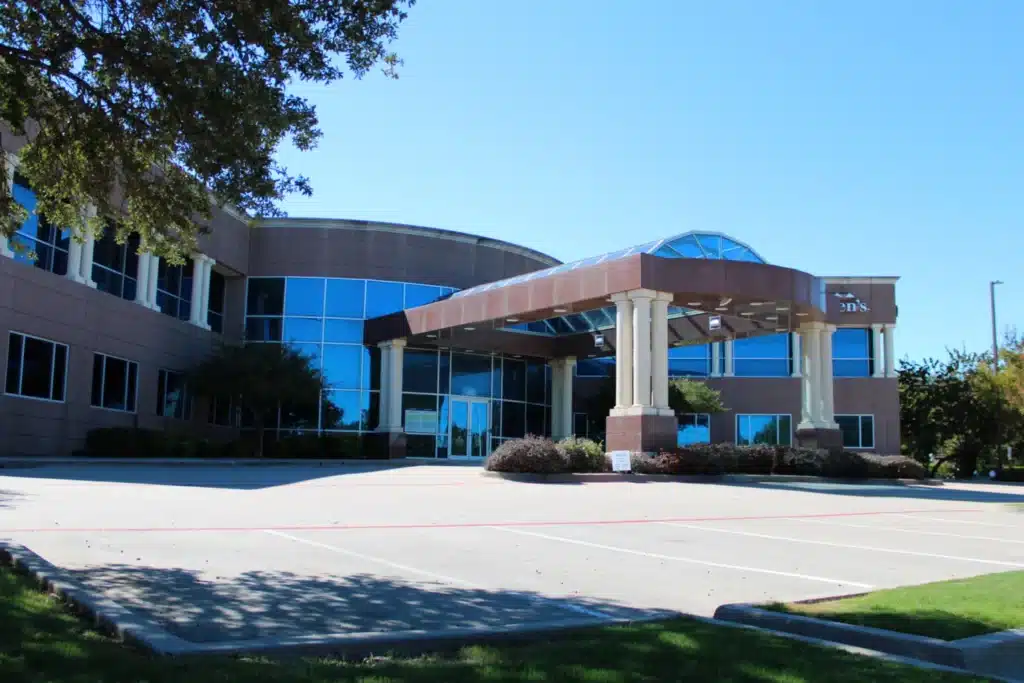
US Migraine has forged valuable partnerships with esteemed physicians and state-of-the-art facilities in Texas and New Jersey. Its headquarters, positioned in Dallas, Texas, serves as the central location for its operations.

Guiding each center is a partner physician who brings to the table an extraordinary blend of expertise, training, and hands-on experience, specifically in administering the highly innovative and incredibly effective US Migraine Procedure— which alleviates and manages chronic, severe head pain.

You may undergo the Trial Procedure at any US Migraine location. However, it’s important to note that the Permanent Procedure is performed exclusively in Dallas, Texas.

Saddle Brook, NJ

289 Market St
Saddle Brook, NJ 07663

(347) 380-9138

Dallas, TX

2500 Dallas Parkway
Suite 500
Plano, TX 75093

(972) 597-2565

Texas Surgical Hospital

Texas Partners Center

Soleil Surgery Center

soliel-surgery-center

Soleil Surgery Center

Plano, Texas

+1 (469) 613-3005

Frequently Asked Questions

How do I know if my headache is a migraine or occipital neuralgia?

Migraines usually cause throbbing pain with nausea, light/sound sensitivity, or visual aura, while occipital neuralgia typically causes sharp, stabbing pain starting at the base of the skull and radiating to the scalp or behind the eyes. A proper diagnosis by a specialist is essential.

If your pain is actually caused by occipital neuralgia, traditional migraine medications may not help since the root issue is nerve irritation, not brain chemistry. This is why getting an accurate diagnosis is important.

Treatments may include occipital nerve blocks, Botox injections, physical therapy, posture correction, and in rare cases, surgical options. These therapies directly target the irritated nerves for long-lasting relief.

Yes. Both conditions can be treated safely with evidence-based approaches. Your doctor will recommend the best treatment plan based on your symptoms, triggers, and overall health.

While complete prevention isn’t always possible, lifestyle changes such as stress management, proper sleep, posture correction, hydration, and timely medical care can significantly reduce recurrence and severity.